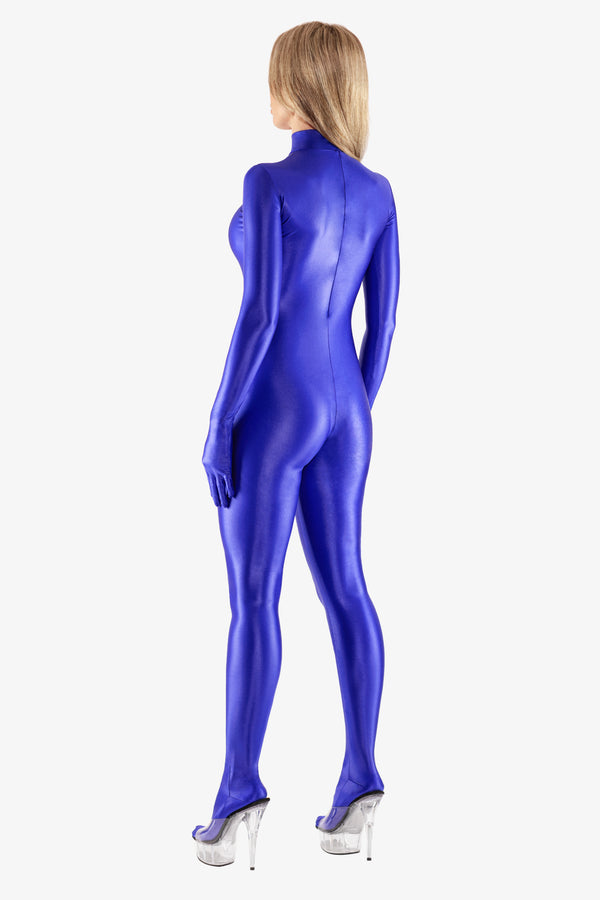
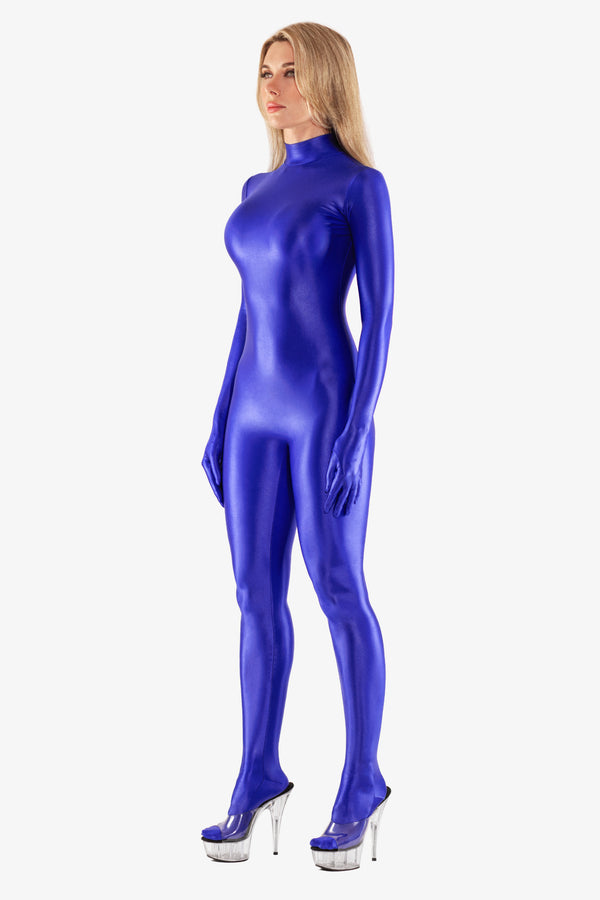
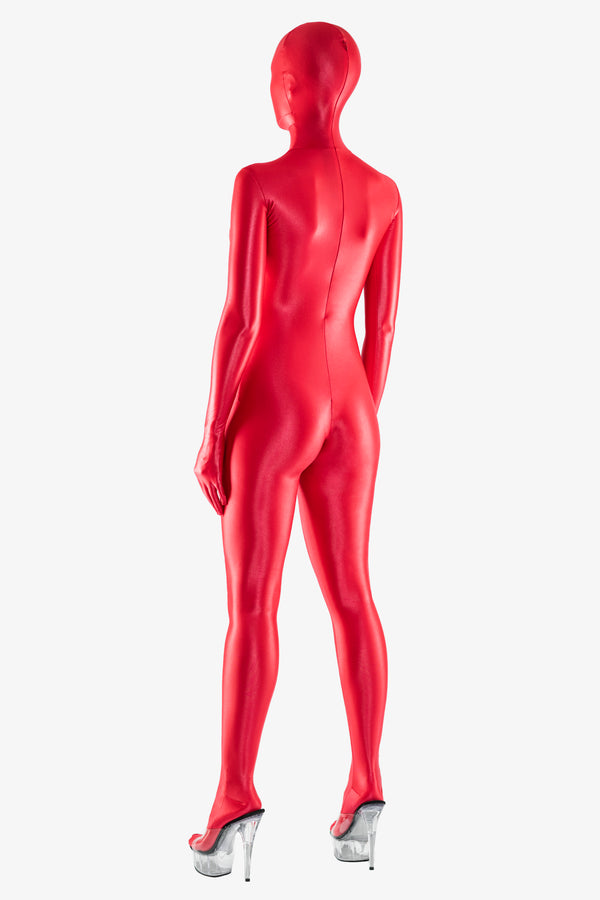
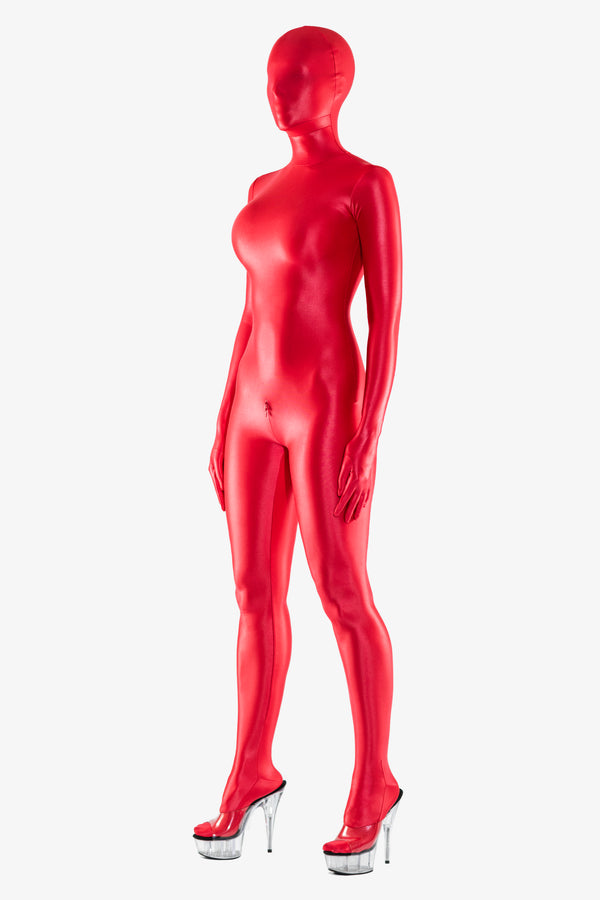
Latex vs Vinyl Clothing: What’s the Difference?
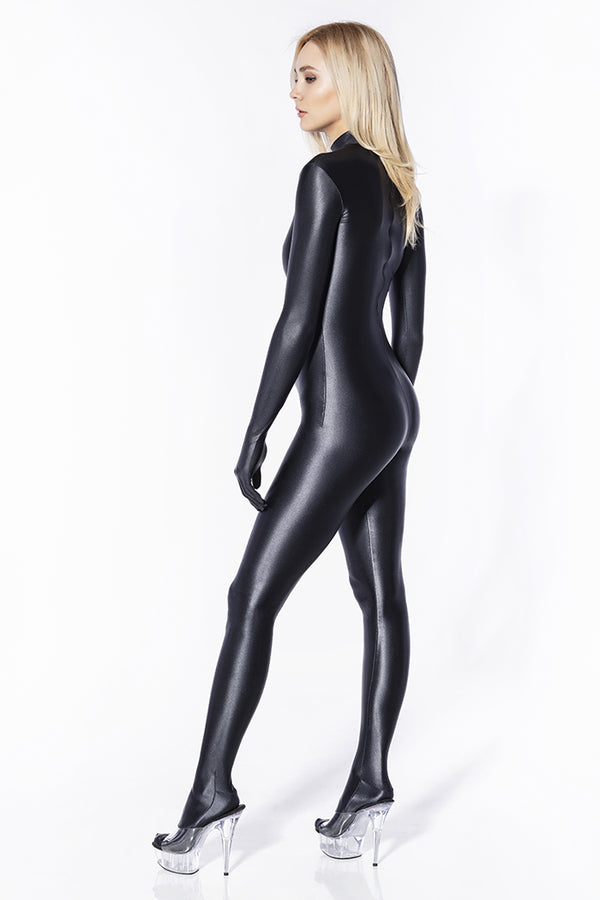
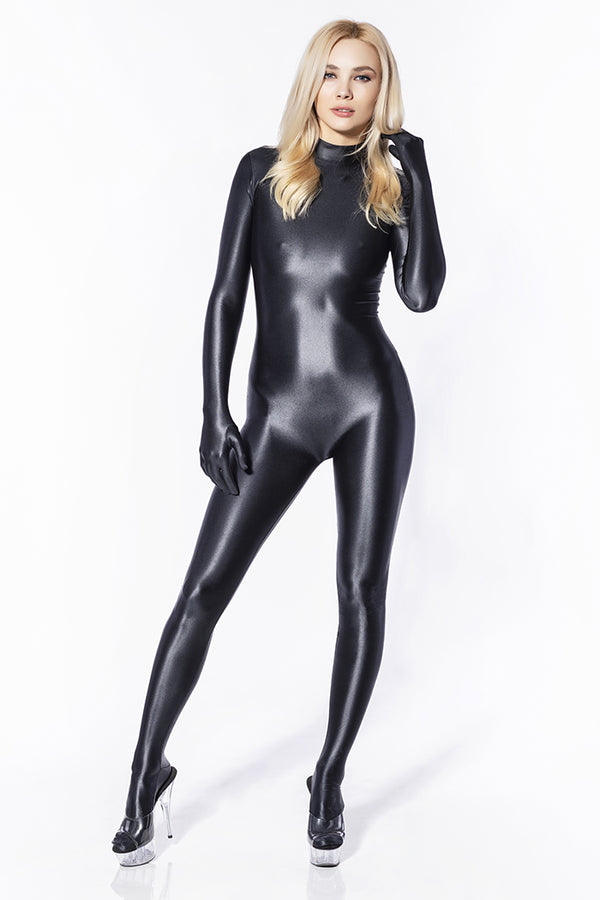
Latex and vinyl are two of the most popular materials used for shiny, body-hugging clothing. At first glance, they may look similar, especially when both materials have a glossy finish. However, latex and vinyl are very different in how they stretch, feel, shine, fit the body and require care.
Choosing between latex and vinyl depends on the look you want, how the garment will be worn and how much care you are ready to give the material. This guide explains the main differences and helps you decide which material is better for your outfit.
What is latex clothing?
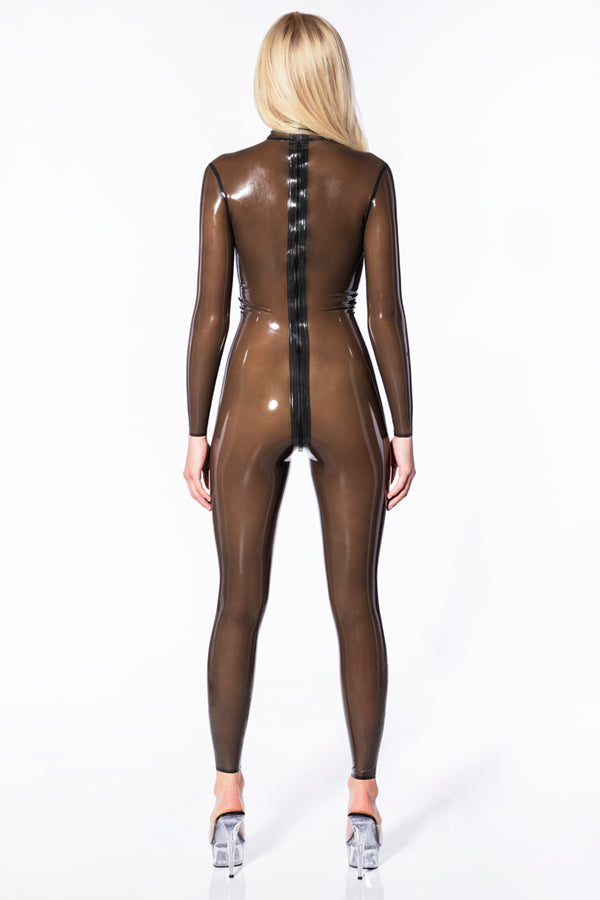
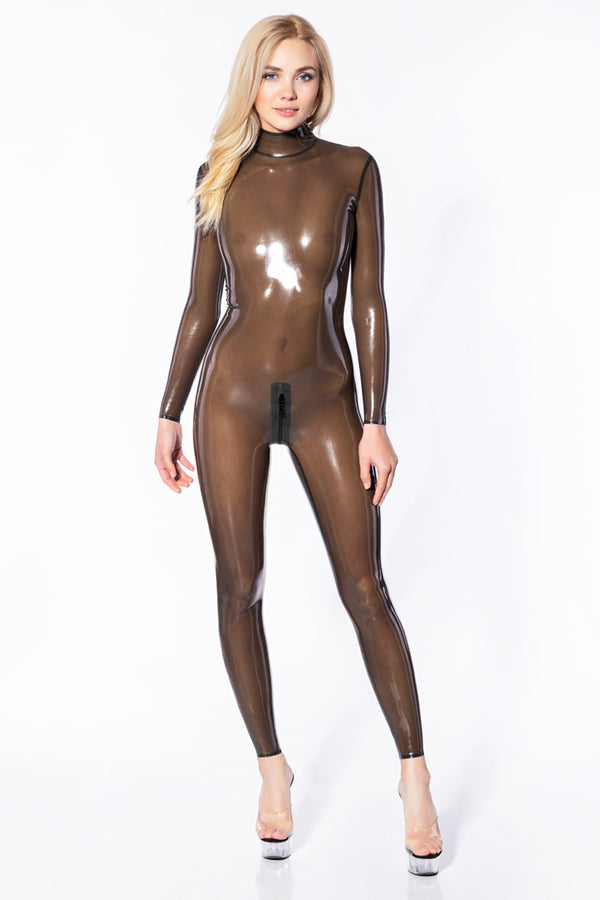
Latex clothing is made from natural rubber latex. It is a highly elastic material that can create a very close, second-skin fit. Latex stretches strongly, follows the body closely and creates a smooth, sculpted silhouette.
Untreated latex usually has a matte, rubber-like appearance. To achieve the famous glossy latex shine, the garment needs to be polished with a latex-safe polish or pure silicone lubricant. Latex also requires careful dressing, usually with talcum powder, a dressing aid or silicone-based products.
Latex is loved for its unique look and feel. It quickly warms to the body, reacts to movement and creates a very distinctive wearing experience that cannot be fully replicated by other materials.
What is vinyl clothing?
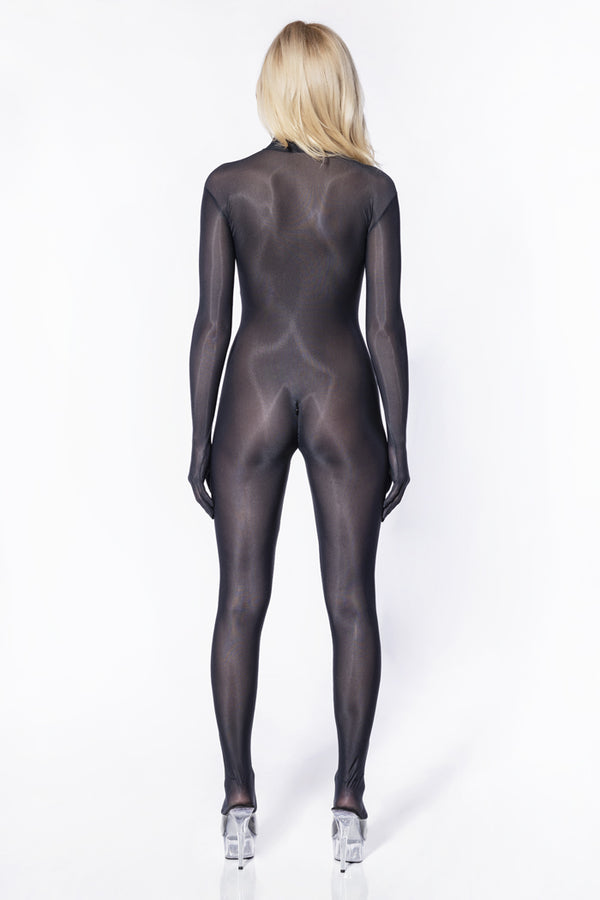
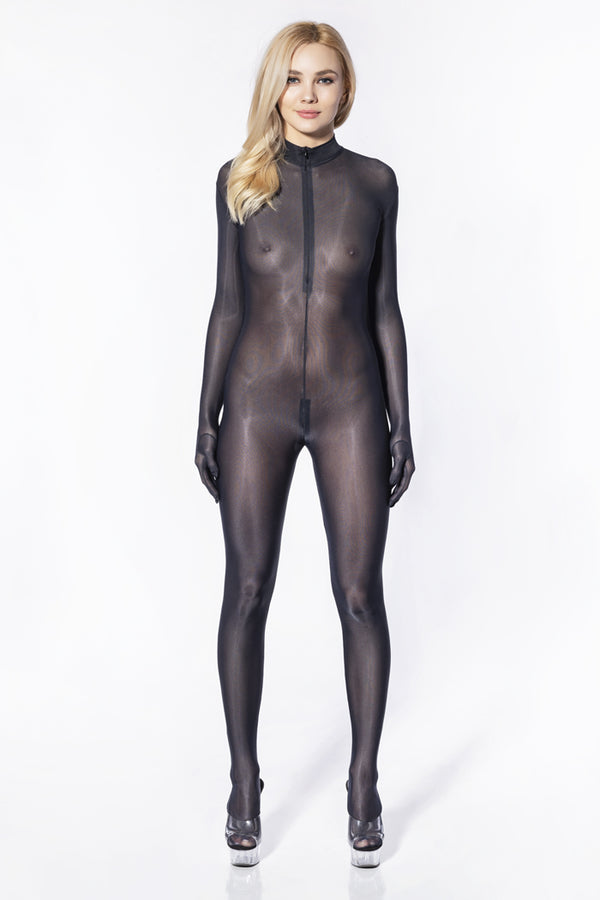
Vinyl clothing is usually made from a textile base covered with a PVC coating. This gives the material its smooth, shiny surface while keeping the structure closer to fabric-based clothing.
Stretch vinyl can create a glossy, fitted look and is easier to put on than latex. It does not need polishing, dressing aid or talcum powder. Vinyl can usually be worn directly on a dry body and already has its own shine.
Compared with latex, vinyl stretches less and feels more like regular clothing. It is generally easier to wear and easier to care for, but it does not provide the same second-skin sensation as latex.
Latex vs vinyl: key differences
| Feature | Latex | Vinyl |
|---|---|---|
| Material structure | Natural rubber latex | Textile base with PVC coating |
| Shine | Needs polishing to become glossy | Glossy by itself |
| Stretch | Very high stretch and close body fit | Moderate stretch, depending on the fabric base |
| Feel on the body | Second-skin effect, warm and sensitive to movement | Closer to regular clothing |
| Care | Requires careful washing, drying, storage and polishing | Easier to wear and maintain |
| Best for | Catsuits, leggings, dresses, masks, photo shoots and strong visual impact | Clubwear, party outfits, fitted dresses, leggings and easier styling |
Shine and visual effect
Latex is famous for its deep, mirror-like shine, but this shine does not appear automatically. New latex garments often arrive with talcum powder or a matte surface. After washing and polishing, latex becomes smooth, glossy and visually striking.
Vinyl already has a shiny surface and does not require polishing. This makes it easier for customers who want a glossy look without special preparation. High-quality stretch vinyl can look close to latex from a distance, but the feel and movement of the material are different.
Stretch, fit and comfort
Latex stretches significantly and fits very closely to the body. This makes it ideal for garments designed to create a tight, sculpted silhouette. Because latex is delicate, it should be put on slowly and carefully to avoid damage from fingernails, jewelry or sharp objects.
Vinyl stretches less than latex, but it is easier to put on and usually more forgiving during wear. Since vinyl has a textile base, it feels more familiar on the body and is less demanding for beginners.
Care and durability
Latex requires special care. It should be washed by hand, dried properly, kept away from sunlight, oils, copper, sharp objects, chlorine and excessive heat. To maintain its glossy appearance, latex should also be polished with suitable latex-safe products.
Vinyl is easier to care for. It does not need polishing and can usually be cleaned more simply. However, vinyl should still be treated carefully and kept away from excessive heat, rough surfaces and harsh chemicals.
When should you choose latex?
Choose latex if you want the strongest second-skin effect, high stretch, a sculpted fit and a distinctive glossy look. Latex is an excellent choice for catsuits, leggings, dresses, masks, fetishwear, themed events, performances and photo shoots.
Latex is also the better choice if the material itself is an important part of the experience. It feels unique on the body and creates a look that is difficult to replace with any other material.
When should you choose vinyl?
Choose vinyl if you want a shiny outfit that is easier to wear and easier to maintain. Vinyl is a good option for parties, clubwear, photo shoots and fitted outfits where you want a glossy look without the extra care required by latex.
Vinyl does not create the same second-skin feeling as latex, but it can still give a sleek, bold and attractive appearance.
Final recommendation
Latex and vinyl can both create beautiful, shiny and body-hugging clothing, but they are not the same material. Latex offers a more intense fit, stronger stretch and a unique second-skin sensation. Vinyl is easier to wear, easier to care for and already has its own glossy finish.
If you want the most iconic shiny look and a true second-skin effect, choose latex clothing. If you prefer a glossy outfit that is simpler to wear and maintain, explore our vinyl clothing.
You can also compare available materials and colors in our color chart or read more about material care in our materials and care guide.
Tip: If this is your first shiny outfit, vinyl is usually easier to wear and maintain, while latex gives the strongest second-skin effect and the most iconic glossy look.